Get Tree Pruning in Livingston, NJ
Tree pruning services for Livingston, NJ, and nearby areas address overgrown, damaged, or hazardous branches, enhancing safety, health, and appearance of trees.
Tree pruning services are essential for maintaining the health and appearance of trees on residential properties in Livingston, NJ. Proper pruning helps remove dead or diseased branches, reducing the risk of falling limbs that could cause damage or injury. It also allows for better air circulation and sunlight penetration, which can promote stronger growth and enhance the overall safety of the landscape.
In addition to safety, pruning can improve the functionality and curb appeal of a property. Well-maintained trees can shape the landscape, making outdoor spaces more inviting and visually appealing. Regular pruning can also extend the longevity of trees, reducing the need for more extensive and costly repairs or replacements in the future. Property owners often seek these benefits to create a safer, more attractive, and easier-to-maintain outdoor environment.
- Tree pruning services are needed when trees have dead or diseased branches that pose safety risks.
- Homeowners in Livingston, NJ, and nearby areas may seek pruning to improve tree health and appearance.
- Property owners requiring clearance around power lines or structures often schedule professional pruning.
- Those preparing for seasonal changes or storm seasons might opt for pruning to reduce storm damage risk.
- Landscapers and property managers may contact local pros for regular pruning to maintain landscape aesthetics.
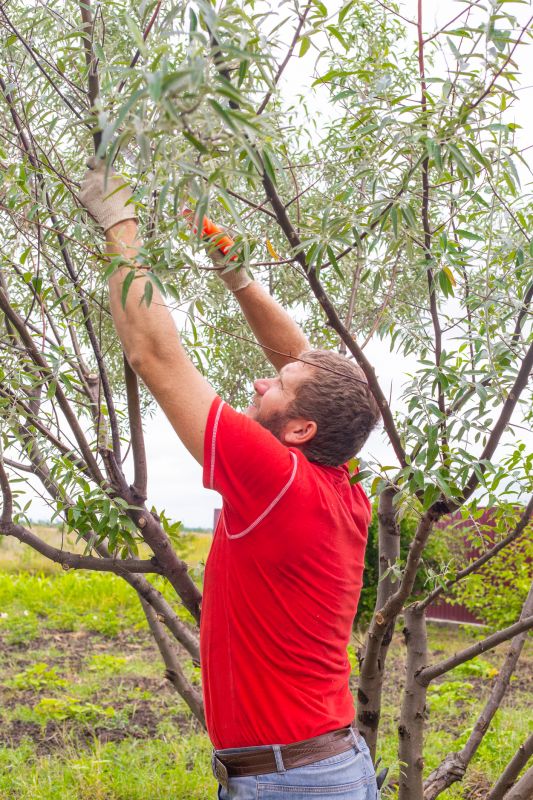
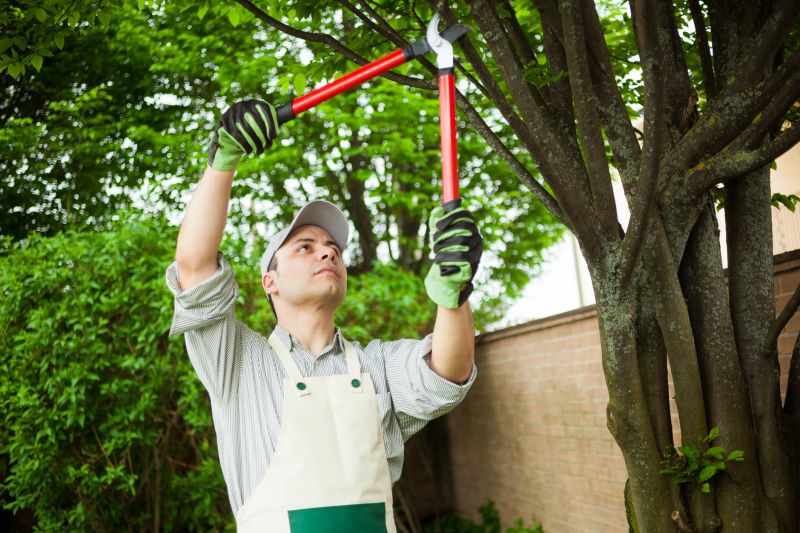
Tree pruning services involve the careful trimming and shaping of trees to promote healthy growth and maintain their aesthetic appeal. This process typically includes removing dead or diseased branches, thinning out dense foliage, and cutting back overgrown limbs. Proper pruning can help ensure the longevity of trees and reduce the risk of branches falling and causing property damage or injury. Skilled professionals use specialized tools and techniques to perform precise cuts that support the overall health and structure of the tree.
One of the primary benefits of tree pruning is its ability to address common problems such as disease, pest infestations, and structural weaknesses. Overgrown or damaged branches can harbor pests or decay, which may spread to other parts of the tree or neighboring plants. Pruning can also improve air circulation and sunlight penetration, which are vital for the health of the tree and surrounding landscape. Regular pruning helps prevent potential hazards, such as falling limbs during storms, and can reduce the likelihood of costly property damage.
Tree pruning services are often utilized by residential property owners, commercial businesses, and public parks. Homes with large, mature trees in their yards may seek pruning to enhance curb appeal and ensure safety. Commercial properties, including shopping centers and office complexes, often require regular pruning to maintain a professional appearance and prevent branches from interfering with signage or power lines. Public parks and municipal spaces also benefit from professional pruning to support safe recreational environments and preserve the health of urban trees.
Professionals providing tree pruning services are equipped to handle trees of various sizes and species across different property types. Urban environments, suburban neighborhoods, and rural properties all commonly utilize these services to maintain landscape aesthetics and safety. Whether for aesthetic shaping, health management, or hazard reduction, experienced local contractors can tailor pruning practices to meet the specific needs of each property, helping to sustain the beauty and safety of the landscape.
The overview below groups typical Tree Pruning projects into broad ranges so you can see how smaller, mid-sized, and larger jobs often compare in Livingston, NJ.
In many markets, a large share of routine jobs stays in the lower and middle ranges, while only a smaller percentage of projects moves into the highest bands when the work is more complex or site conditions are harder than average.
Tree Pruning Cost - The typical cost for pruning a single small tree ranges from $75 to $200, depending on the complexity of the job. Larger or more complex trees can cost between $300 and $800 per tree. Costs vary based on tree size and location.
Per Hour Rates - Tree pruning services often charge between $50 and $150 per hour, with the total cost depending on the number of trees and their size. Some providers may offer flat rates for specific types of pruning jobs. Rates can vary based on local market conditions.
Property Size Factors - For larger properties, pruning costs may range from $500 to $2,000 or more, especially when multiple trees require attention. The overall cost depends on the number of trees and the extent of pruning needed. Larger properties typically incur higher service fees.
Additional Charges - Extra fees may apply for services such as stump removal or cleanup, which can add $100 to $400 to the total. These costs vary based on the scope of work and the amount of debris to be cleared. Contact local providers for detailed quotes based on specific needs.
Actual totals will depend on details like access to the work area, the scope of the project, and the materials selected, so use these as general starting points rather than exact figures.
Tree Trimming services focus on shaping and maintaining the overall health of trees, ensuring they remain safe and visually appealing.
Pruning for Safety involves removing hazardous branches that could pose risks to property or people, especially in areas prone to storms or high winds.
Fruit Tree Pruning enhances fruit production and improves the structure of fruit-bearing trees, making them easier to harvest and manage.
Storm Damage Pruning addresses fallen or broken branches caused by severe weather, helping to restore tree stability and appearance.
Formative Pruning shapes young trees to develop strong structure and proper growth patterns for long-term health.
Deadwood Removal eliminates dead or decaying branches to prevent decay from spreading and to maintain the tree’s vitality.
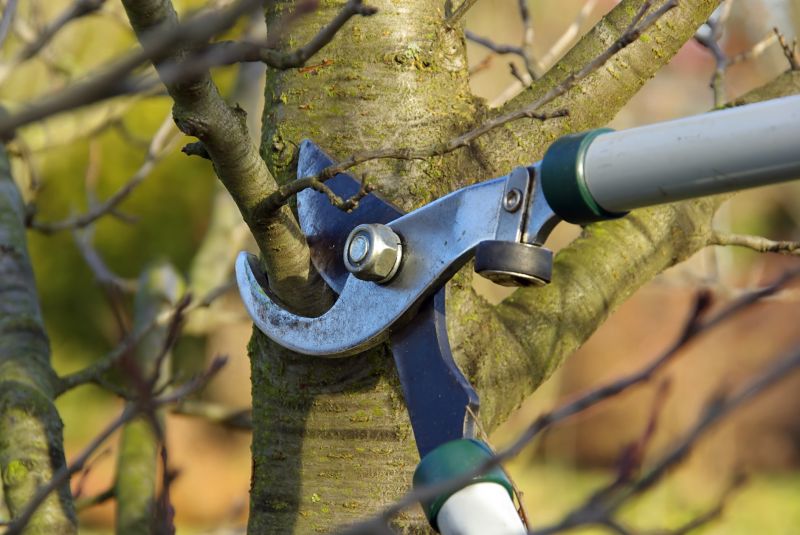
When selecting a tree pruning service, it is important to consider the experience of the local providers. Homeowners should look for professionals who have a proven track record in pruning trees similar to their own, ensuring they are familiar with the specific needs and challenges of various tree species and sizes. Reputable local pros often have a history of completing projects successfully in the community, which can be a helpful indicator of their expertise and reliability.
Clear and written expectations are essential when working with tree pruning contractors. Homeowners are encouraged to seek providers who can offer detailed descriptions of the scope of work, including the methods they plan to use and the areas they will address. Having these expectations documented helps ensure that both parties are aligned and that the project proceeds smoothly, reducing misunderstandings or surprises along the way.
Reputation and communication are key factors in choosing a tree pruning service. Local professionals with positive references and a solid standing in the community are often more dependable. Additionally, effective communication-such as prompt responses to inquiries and transparent explanations of services-can make the process more straightforward and less stressful. Since the information below connects users with local pros, it is recommended to review references and inquire about communication practices to find a provider who meets these standards.
Property owners in Livingston, NJ use Tree Pruning services for practical projects around their homes and businesses. The sections below highlight everyday jobs and straightforward project options.
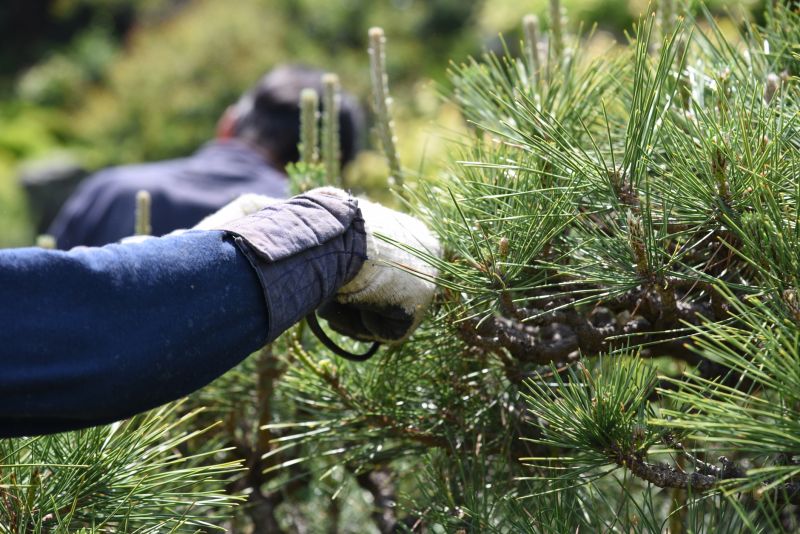
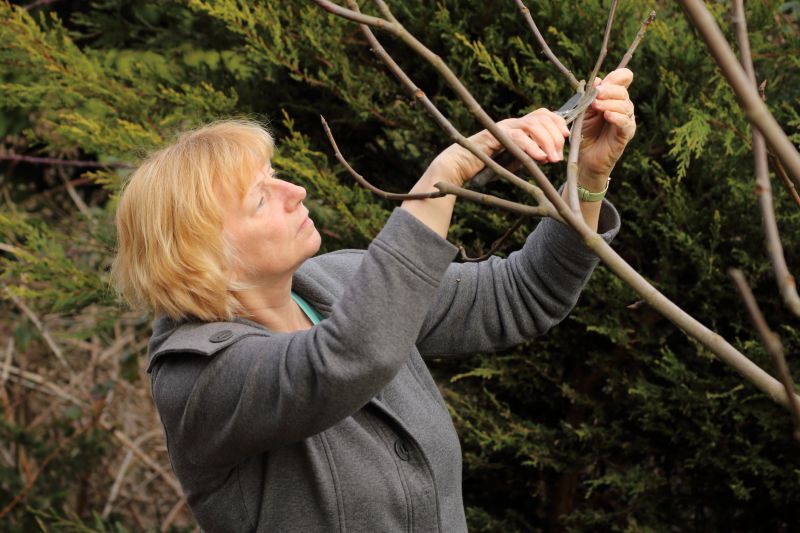
Tree pruning services are commonly sought by property owners in Livingston, NJ to maintain the health and appearance of their trees. Regular pruning can help remove dead or diseased branches, preventing potential hazards and encouraging healthy growth. Homeowners may also request pruning to improve sunlight penetration and airflow, which can benefit other plants and the overall landscape.
Additionally, property owners often look for tree pruning to enhance safety around their homes and yards. Overgrown branches near power lines, roofs, or walkways can pose risks during storms or high winds. Professional pruning helps ensure that trees remain a safe and attractive feature of the property, reducing the likelihood of damage or injury.
What is tree pruning? Tree pruning involves selectively removing branches or parts of a tree to improve its health, shape, and safety.
When is the best time to prune trees? The ideal time to prune depends on the tree species and purpose, but many trees are best pruned during late winter or early spring.
Why should I consider professional tree pruning? Professionals can ensure proper techniques are used to promote healthy growth and reduce the risk of damage or injury.
How often should trees be pruned? The frequency of pruning varies based on the tree type, age, and condition, but regular inspections can help determine when pruning is needed.
What are common reasons for tree pruning? Common reasons include removing dead or diseased branches, shaping the tree, and preventing potential hazards.
Tree Pruning Benefits - Proper pruning can promote healthy growth and improve the overall appearance of trees. Skilled local pros can help maintain the vitality and structure of your trees.
Pruning Techniques - Professionals use various pruning methods to remove dead or overgrown branches, enhancing safety and aesthetics.
Seasonal Pruning - Timing is important for effective pruning; local experts can advise on the best seasons for different types of trees.
Tree Health and Safety - Regular pruning by experienced service providers can reduce risks caused by falling branches and disease.
Considering Tree Pruning for a property in Livingston, NJ? The sections above highlight common project types, practical options, and details that often shape the scope of work.
When you are ready, use the quote form to share a few details about your project. Local pros can review the basics and respond with options that match what you have in mind.